Moody’s shows how agentic GenAI is enhancing regulated finance workflows without sacrificing compliance or human control.
Financial institutions face rising complexity from fragmented data, regulatory pressure, and manual reporting limits. Moody’s is addressing these finance challenges using GenAI and agentic AI. Instead of replacing experts, Moody’s deploys AI agents to orchestrate multi-step workflows with human oversight. This approach targets high-stakes finance tasks where accuracy, auditability, and accountability remain essential.
According to Moody’s Senior Director Pavlé Sabic, most GenAI value comes from accelerating decisions, not automating judgment. Agentic AI consolidates market data, credit research, and financial signals into structured outputs. Analysts supervise every step before final decisions. This human-in-the-loop model has reduced time to production by roughly 60 percent. Productivity improves because analysts receive concise, decision-ready insights instead of raw information.
A core challenge in financial GenAI adoption is trust. Large language models alone risk hallucinations and compliance failures. Moody’s overcomes this by grounding agents in proprietary datasets, including credit ratings research and risk analytics. A research assistant launched in 2023 combines this data with GenAI. Users process 60 percent more information while cutting manual tasks by 30 percent. Every output remains auditable and regulation-ready.
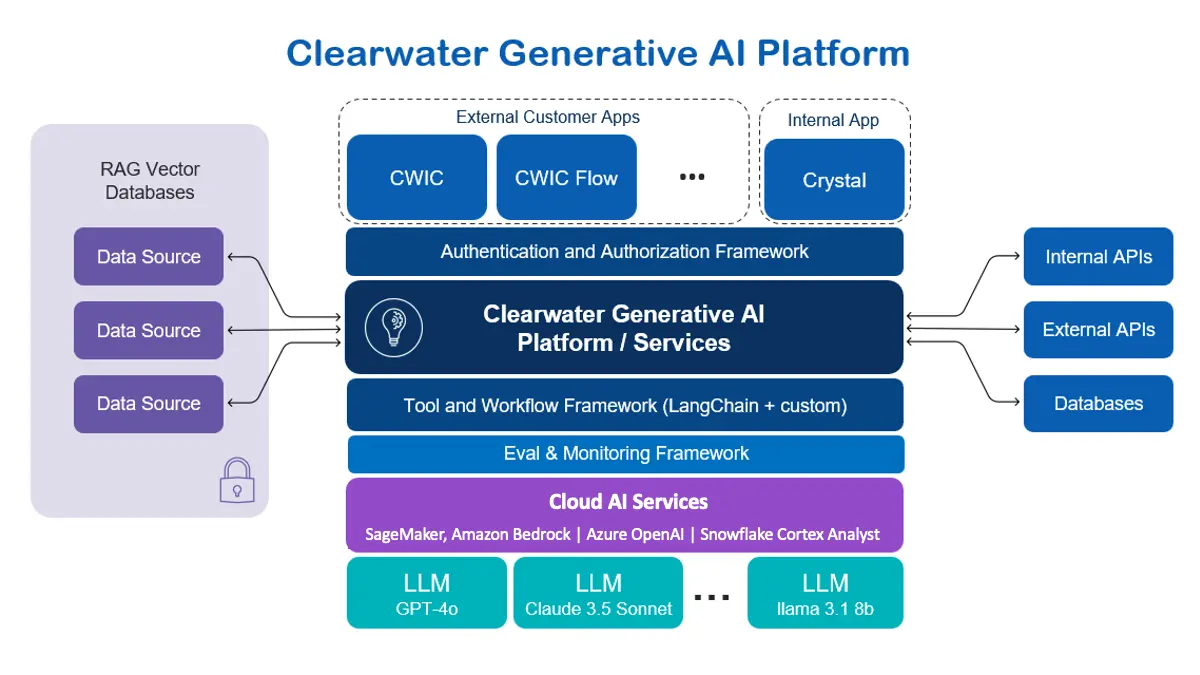
Enterprise orchestration is another critical hurdle. Regulated industries cannot rely on generic, off-the-shelf models. Moody’s builds centralized orchestration layers to manage multiple AI agents securely. Natural language interfaces expand access beyond technical teams, but training remains essential. Sabic emphasizes that GenAI adoption succeeds only with workforce readiness and governance. Agentic AI becomes powerful when it enhances expertise, passes audits, and scales safely across global finance operations.
This case matters because it shows how GenAI can enhance high-stakes decision-making without compromising accuracy, compliance, or human oversight. Beyond Moody’s, it highlights a broader enterprise challenge: orchestrating complex, regulated workflows where data is fragmented and errors carry significant risk. The case represents the problem of scaling intelligence in finance—converting raw data into actionable, auditable insights—while ensuring governance and workforce readiness. By combining agentic AI with human supervision and proprietary data, organizations can accelerate decisions, reduce manual effort, and maintain trust, making AI a reliable partner in critical operations.