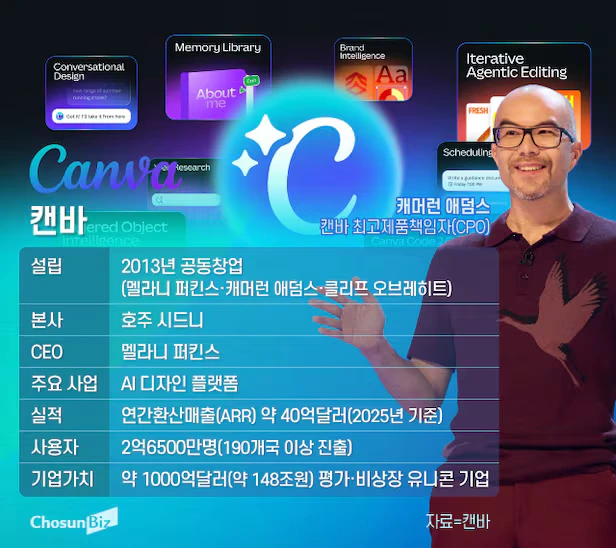
Canva connects GenAI across the full design workflow, from idea to final output in one system for South Korean designers.
Canva is pushing GenAI beyond simple content generation into full workflow execution, its new system handles design, edits, and collaboration in one place. This tackles a common problem. Many GenAI tools stop at drafts. Users still need extra tools to finish work.
The platform uses a design-trained model that understands layout, color, and structure. It also interprets user intent more precisely. Why does this matter? Users often struggle to explain what they want. Canva reduces repeated prompts and guesswork. It moves from vague input to structured output faster.
Another challenge is iteration. Traditional GenAI tools create static results that are hard to edit. Canva solves this by linking generation with real-time editing. Teams can refine outputs without restarting. This improves speed and reduces friction in creative cycles. It also supports collaboration across teams in one shared space.
The benefit is clear. Businesses can move from idea to final asset quickly. Marketing teams, designers, and non-experts can produce polished outputs faster. Canva turns GenAI into a continuous system, not a one-off tool. That shift helps companies scale content creation without increasing complexity.
Why it matters
GenAI often fails to connect creation with execution in enterprises.
• Solves fragmented workflows across tools and teams
• Reduces time lost in editing, rework, and prompt iteration
• Enables non-experts to produce high-quality outputs
• Represents shift from tool-based AI to workflow-based AI systems


