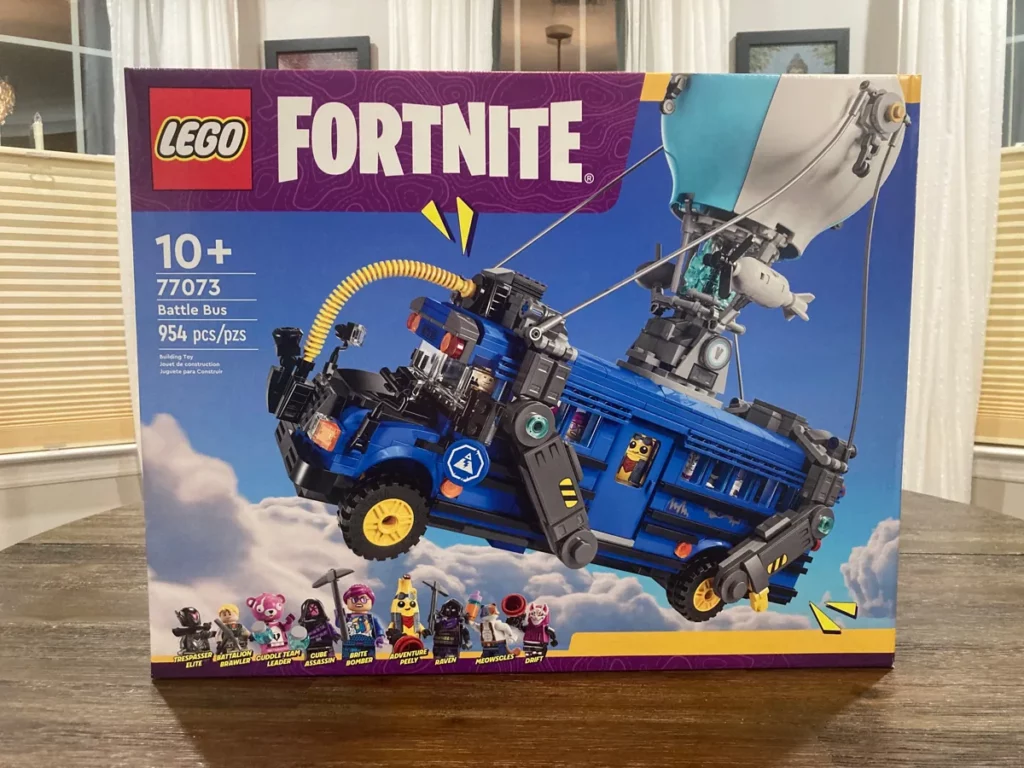
Fortnite Maker, Epic Games uses GenAI to accelerate concept art while keeping artists in control of every creative decision.
Epic Games has revealed how GenAI supports the creation of Fortnite character skins and environments. Rather than replacing artists, the company uses GenAI to accelerate concept development after initial designs are created by humans. The approach allows designers to explore more creative options while maintaining full artistic control over the final result.
The biggest challenge is balancing creative speed with originality. Producing multiple design variations traditionally requires significant manual effort. Epic addresses this by using models such as Nano Banana and GPT Image to transform hand-drawn concepts into alternative visual directions. Artists can quickly test lighting, environments, destruction effects, or 3D styling without rebuilding every concept from scratch. Human designers then review every AI-generated image, correcting errors and refining details before assets enter production.
This hybrid workflow shortens iteration cycles while protecting creative quality. Instead of spending hours producing visual alternatives manually, artists evaluate AI-generated concepts and focus on improving the strongest ideas. GenAI handles repetitive experimentation, allowing designers to dedicate more time to storytelling, style consistency, and gameplay aesthetics. Epic also emphasizes provenance tracking, originality reviews, and human approval throughout development, ensuring AI remains an assistive production tool rather than the creative decision-maker.
Why it matters
This case highlights a growing enterprise pattern where GenAI augments creative professionals instead of replacing them. The technology delivers the greatest value by accelerating repetitive work while preserving expert judgment.
• Demonstrates how GenAI reduces production time through rapid concept exploration rather than automated asset creation.
• Shows that human review remains essential to correct AI errors and protect originality.
• Highlights the importance of governance, provenance tracking, and quality control in creative AI workflows.
• Represents a broader enterprise challenge of increasing creative productivity without sacrificing brand identity or intellectual property.


